Edinburgh runs on two economies: the festival-and-finance one everyone sees, and a quieter one of libraries, meetups, and free courses where a complete beginner can learn to code without spending much at all. If you are on a tight budget in the capital, the good news is that programming is one of the cheapest skills on earth to start — you need a computer, an internet connection, and a plan. This guide maps the genuinely free and cheap routes, the Edinburgh-specific resources, and a realistic six-month path from zero to employable foundations.
You will learn which language to start with, the free courses worth your time, where to code for free in Edinburgh, how to stay motivated without paying for bootcamps, and what “job-ready” realistically means.
Start with the right language (it matters less than you think)
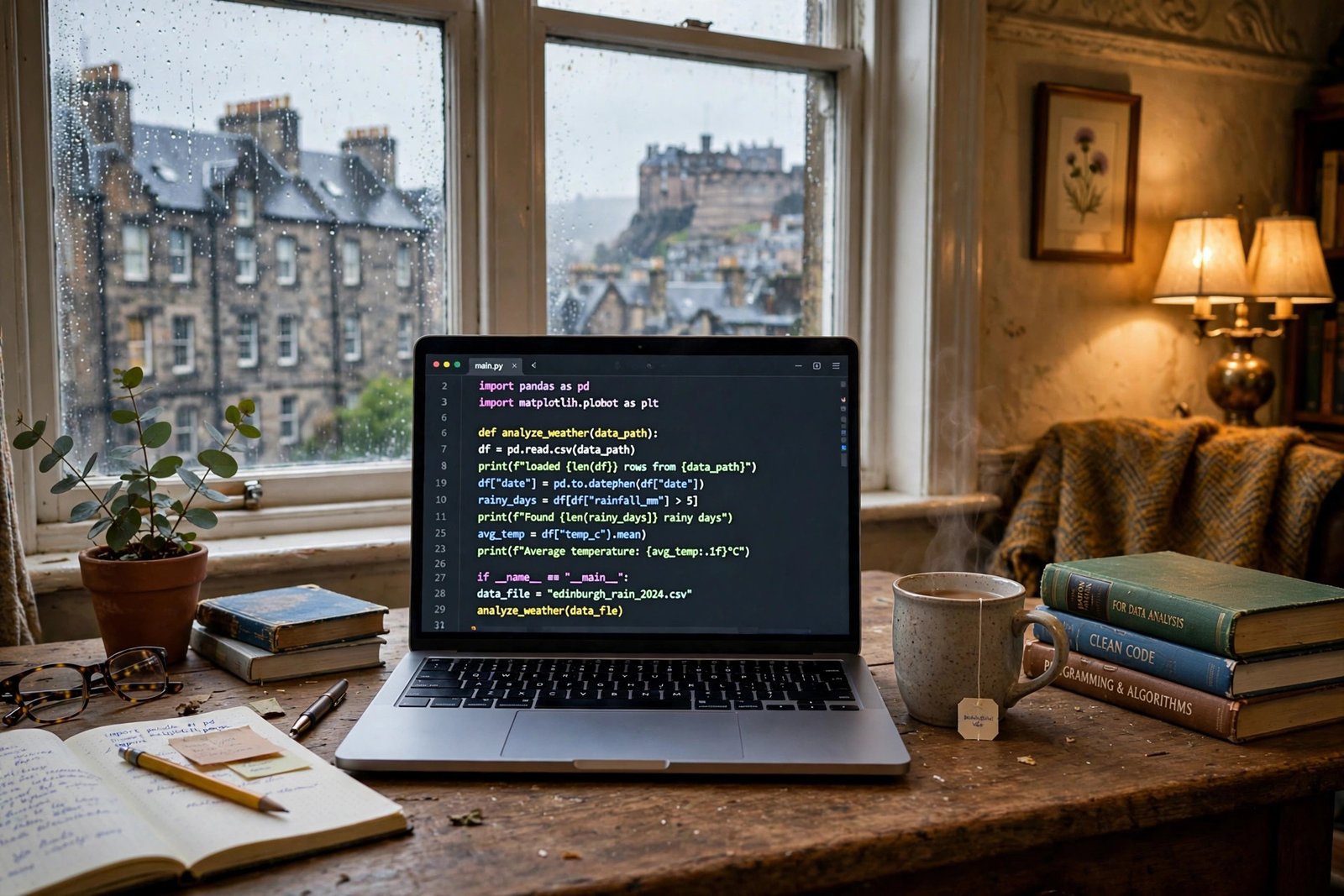
Beginners agonise over Python versus JavaScript. Here is the honest answer: for a first language, pick Python if you are drawn to data, automation, or general problem-solving; pick JavaScript if you want to build websites you can see and click. Both are free to learn, both have enormous job markets, and the programming concepts transfer — your second language takes a fraction of the time. What kills beginners is not the wrong choice but switching every three weeks. Commit to one for six months.
Avoid the trap of “learn ten languages superficially” tutorials. Depth in one language plus one small project beats certificates in five. Edinburgh’s tech scene — fintech around the Exchange district, startups at CodeBase — hires for demonstrated ability, and a simple working project on GitHub says more than any course badge. Using AI to accelerate learning spreadsheets is a decent warm-up for the same mindset: let tools speed you up, but build real understanding underneath.
The free curriculum that actually works
You do not need a £8,000 bootcamp to start. freeCodeCamp’s full curriculum (free, self-paced, project-based) remains the best zero-cost path for web development; Harvard’s CS50x (free via edX) is the gold standard for computer science foundations and genuinely changes how beginners think. For Python, the University of Helsinki’s Python Programming MOOC is free and superbly structured. All three cost nothing and are better taught than many paid courses.
Structure your weeks: aim for 8–12 focused hours weekly if you are working — consistency beats heroic weekend binges. A practical rhythm is 45-minute sessions with a single clear goal (“today I will understand loops by writing five small programs”). Keep a learning log of what confused you; confusion revisited is where understanding forms. FutureLearn, the UK-based learning platform, also hosts free programming courses from British universities if you prefer a more academic framing — and BBC Bitesize computing resources cover the absolute basics gently.
Edinburgh’s free coding infrastructure
This is where being in Edinburgh is a genuine advantage. The city’s libraries — the Central Library on George IV Bridge and branches across the city — offer free computer access, wifi, and quiet study space; a library card costs nothing and several branches run digital skills sessions. CodeBase on Castle Terrace, the UK’s largest tech incubator, hosts free and low-cost community events where beginners can meet working developers — the single fastest way to demystify the industry.
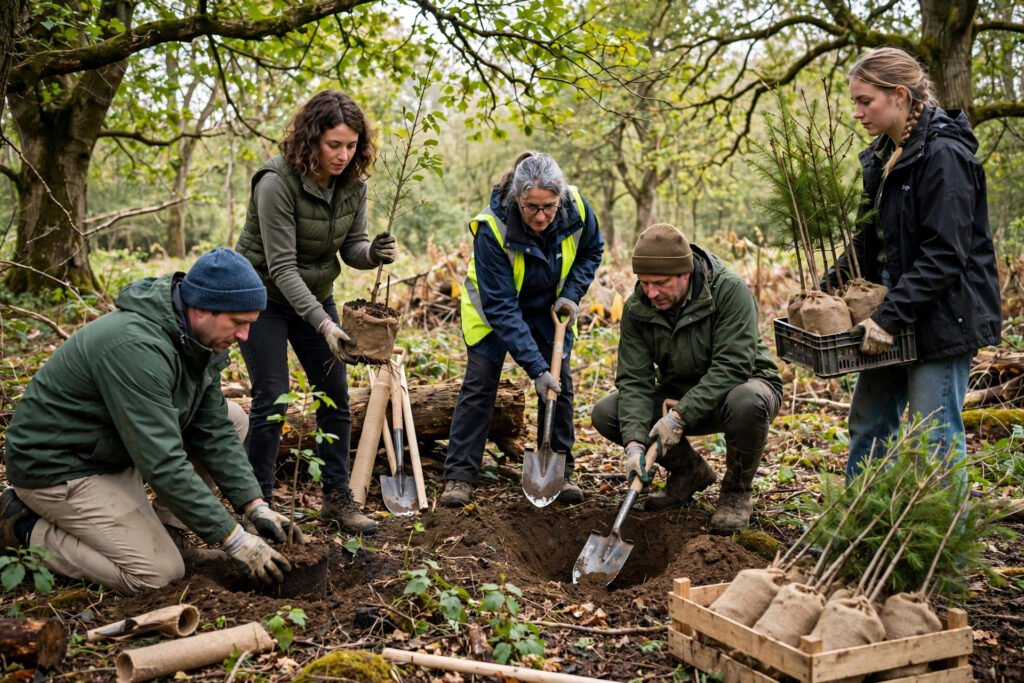
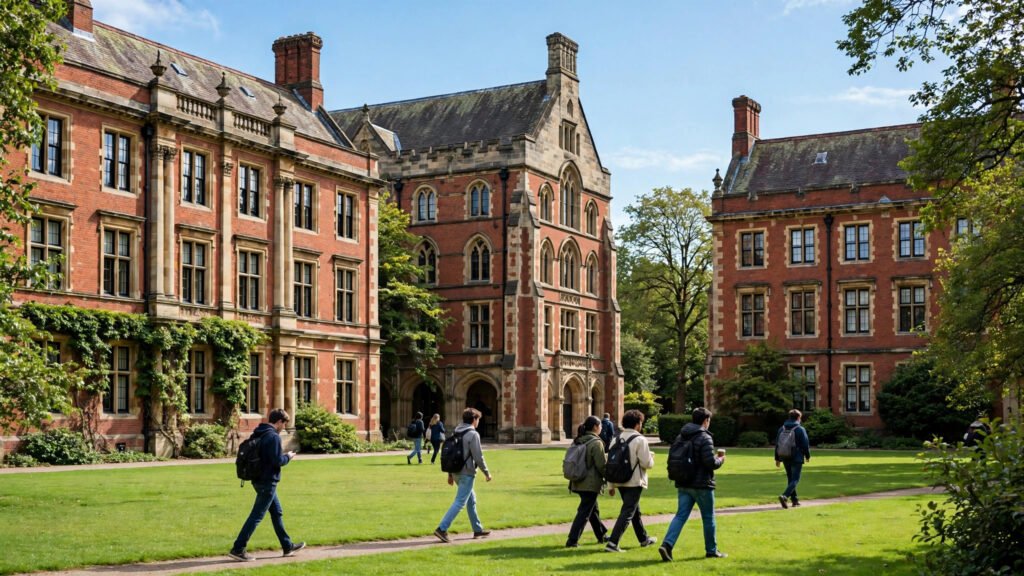
Look for Codebar Edinburgh (free weekly coding workshops aimed at underrepresented groups in tech, beginner-friendly), and the various free meetups listed on Meetup.com and Eventbrite — “intro to Python” and “web dev beginners” sessions run regularly and cost nothing. Edinburgh’s universities also run occasional public engagement coding events open to non-students. The pattern: show up, ask “stupid” questions, and pair-program with someone slightly ahead of you. Community is the free resource most self-taught coders underuse, and learning a new skill as an adult is dramatically easier with people around you.
Staying the course without paying for motivation
The beginner dropout curve is brutal: most people quit in weeks three to six, when novelty fades and concepts get abstract. The antidote is projects, not more tutorials — “tutorial hell” (endlessly watching, never building) is the classic trap. After your first month, spend at least half your time building: a personal website, a budget tracker, a small game. Ugly, broken, yours — then fix it. Debugging your own code teaches ten times faster than following along.
Make it social and visible: push everything to GitHub from week one (free), join a study group or an online community like the Codebar Slack, and consider the #100DaysOfCode challenge for structure. When you are stuck for more than an hour, ask — Stack Overflow, Discord servers, and meetup friends exist for this. And protect the habit like a gym routine: same time, same place, phone away. Motivation is unreliable; systems are not. A £0 routine you keep beats a £500 course you abandon.
What “job-ready” realistically looks like (and costs)
Honesty matters here: six months of part-time free learning will not make you a senior developer, but it can make you genuinely employable at junior level — especially combined with Edinburgh’s hiring market. The realistic target is: one language solid, Git/GitHub fluent, two to three portfolio projects solving real problems, and the ability to talk through your code in an interview. Many developers’ first roles came from exactly this path.
When free resources plateau, the cheap upgrades are: a £10–15 Udemy course on sale (wait for the perpetual sales), technical interview practice on free platforms, and contributing to open source. Bootcamps have their place, but treat them as an accelerator after foundations, not a starting point — and never finance one on credit before testing your commitment with three months of free study. If you do look at paid options later, budget-friendly tools for side projects show the same principle: spend only once free routes are exhausted.
Free hardware and connectivity when money is truly tight
If you do not own a laptop, that is a solvable problem, not a dead end. Edinburgh’s libraries provide free computer and wifi access with a free library card — enough for the entire freeCodeCamp curriculum, which runs in a browser. Several UK charities refurbish donated laptops for low-income learners at nominal cost: check the Good Things Foundation network and local council digital inclusion schemes, which sometimes bundle a refurbished device with connectivity support. University outreach programmes occasionally run device-lending schemes open to the wider community.
For connectivity, free wifi is everywhere — libraries, community centres, and many cafés — but be sensible about security on public networks when logging into accounts. If you are learning on a phone, free apps like Mimo or Grasshopper teach genuine fundamentals, though you will want a proper keyboard before long; second-hand USB keyboards cost a few pounds at charity shops. The principle holds: remove the hardware excuse with community resources, then invest your energy — not money — in the learning itself.
Conclusion
Learning to code from scratch on a tight budget in Edinburgh is entirely realistic: pick one language and commit, follow a proven free curriculum like freeCodeCamp or CS50x, use the city’s libraries and free meetups at places like CodeBase, build projects from month two, and aim for a small portfolio within six months. The money was never the barrier — sustained, structured practice is.
Frequently Asked Questions
Do I need a powerful computer to learn coding?
No — any laptop from the last decade runs Python and web development tools fine. Edinburgh libraries also provide free computer access if you have no machine at all.
How many hours a week do I need?
Eight to twelve focused hours weekly is enough for steady progress alongside work. Consistency matters far more than total hours — daily 45-minute sessions beat occasional marathons.
Is it too late to start coding as an adult career-changer?
Not at all — a large share of working developers started in their late twenties, thirties, or beyond. Employers care about what you can build, demonstrated in a portfolio, far more than your age or degree.
Should I pay for a bootcamp eventually?
Only after three months of committed free study prove you enjoy it. Bootcamps accelerate job-hunting structure, but they cannot replace the foundations — and the best free resources already cover them.