
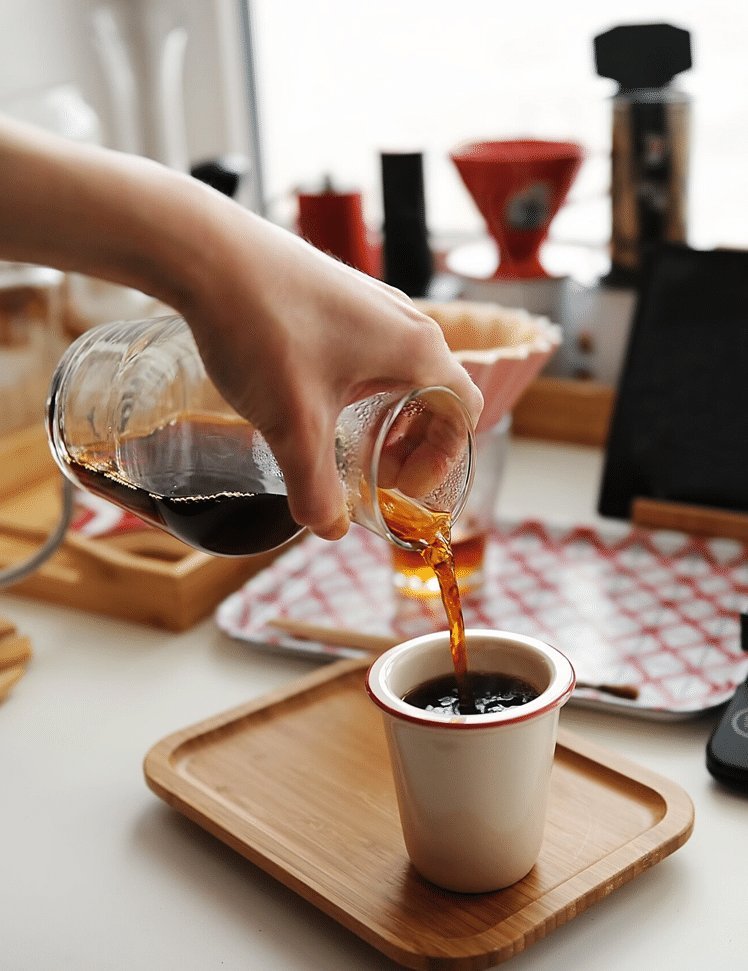
To make coffee taste better at home, you don’t need a £500 espresso machine. You need fresh beans, the right grind, decent water temperature, and the correct ratio. Those four things account for about 90% of the difference.
I spent years making mediocre coffee at home while happily paying £3.50 for café flat whites, assuming the gap was the equipment. It wasn’t. Here’s what actually closed the gap for about thirty quid.
Make Coffee Taste Better At Home Without the Stress
Forget overcomplicated advice. This is the straightforward version that works in a real kitchen on a real weeknight.
Buy fresh beans, not stale grounds
Coffee starts losing flavour within days of roasting and within minutes of grinding. Supermarket pre-ground coffee is often months old. Buy whole beans from a local roaster (or a supermarket bag with a roast date, not just a best-before), and grind just before brewing. This single change improves your coffee more than any gadget ever will.
It’s tempting to cut corners on this step. Resist: this is where it all comes together.
Grind for your method
The grind size must match the brew: coarse for cafetière, medium for filter, fine for espresso-style or moka pot. Too fine for your method and the coffee over-extracts into bitterness; too coarse and it’s weak and sour. A basic burr grinder (£25-35) gives consistent grounds; blade grinders chop unevenly and are the enemy of good coffee.
It’s a small detail, but it’s exactly the kind of thing that separates a decent result from a great one.
Related reading: our take on make curry taste like a takeaway at home.
Get the ratio right
The golden ratio is roughly 60g of coffee per litre of water, or about two tablespoons per 250ml mug. Most people under-dose dramatically, then wonder why their coffee tastes thin. Weigh your coffee for a week until you know what right looks like: a cheap kitchen scale is more useful than any brewing gadget.
This is the step most people skip, and it’s the one that makes the biggest difference.
Mind your water temperature
Water straight off a rolling boil (100°C) scorches the grounds and extracts bitterness. Let the kettle sit for a minute after boiling, aiming for around 92-96°C. And if your tap water is very hard or heavily chlorinated, a simple filter jug improves the taste noticeably: coffee is 98% water, so the water matters.
Get this bit right and everything that follows becomes noticeably easier.
Brew it properly, whatever the method
For cafetière: coarse grind, four minutes steep, break the crust and skim, then plunge slowly. For pour-over: medium grind, pour in slow spirals, total brew around three minutes. For moka pot: fine grind, low heat, take it off the moment it starts gurgling. Each method has a right way, and it’s worth learning yours.
I learned this through trial and error so you don’t have to.
Store beans properly
Keep beans in an airtight container at room temperature, away from light. Not the fridge (they absorb odours and moisture), not the freezer unless you’re storing for months. Buy little and often: a 250g bag a week beats a kilo bag going stale over a month. Freshness is a habit, not a purchase.
It sounds fussy, but it takes seconds and the payoff is real.
Doing This in Britain
Before you start, here’s what’s worth knowing about doing this on this side of the Atlantic.
The UK has brilliant local roasters in most towns now, and a 250g bag of freshly roasted beans costs £6-£9: about the price of two café coffees, for two weeks of great coffee at home.
If you want the official word, the Food Standards Agency covers it well.
Hard water areas (much of London and the South East) benefit most from a filter jug. A Brita jug is £15-20 and the filters last a couple of months.
A Few Things That Genuinely Help
Think of these as the finishing touches. Small effort, noticeable difference.
- Rinse paper filters with hot water first. It washes away the papery taste and warms the brewer. You’ll thank yourself later.
- Clean your cafetière and grinder regularly. Old coffee oils go rancid and taint every brew. It becomes second nature quickly.
- Experiment with one variable at a time. Change the grind, taste for three days, then change the ratio. Otherwise you’ll never know what worked. Worth doing from day one.
- A £30 burr grinder plus fresh beans beats a £300 machine with stale supermarket grounds. Every time. This one’s free and it works.
Related reading: our take on dairy free desserts that taste good.
What Tends to Go Wrong
A quick heads-up on the usual pitfalls, so you can sidestep them entirely.
Using boiling water
Straight-off-the-boil water scorches grounds and brews bitterness. Wait a minute after the kettle clicks.
Buying pre-ground coffee in bulk
It’s stale before you open it. Whole beans, ground fresh, is the biggest upgrade available.
Guessing the dose
A heaped spoonful is not a measurement. Weigh it for a week and your consistency will transform.
Questions I Hear All the Time
Short answers to the questions I’m asked most often about this.
Is a cafetière or pour-over better?
Neither is objectively better: cafetière gives a fuller, heavier cup; pour-over gives a cleaner, brighter one. Both make excellent coffee with fresh beans and the right grind. Choose by taste preference.
How long do coffee beans stay fresh?
At peak for two to four weeks after roasting. After a month they’re noticeably duller, though still fine. The ‘best before’ dates on supermarket bags are about safety, not quality: look for roast dates.
In a Nutshell
Here’s everything above boiled down to the bits that matter most.
- Buy fresh beans, not stale grounds — Coffee starts losing flavour within days of roasting and within minutes of grinding. Supermarket…
- Grind for your method — The grind size must match the brew: coarse for cafetière, medium for filter, fine…
- Get the ratio right — The golden ratio is roughly 60g of coffee per litre of water, or about…
- Mind your water temperature — Water straight off a rolling boil (100°C) scorches the grounds and extracts bitterness. Let…
- Brew it properly, whatever the method — For cafetière: coarse grind, four minutes steep, break the crust and skim, then plunge…
- Store beans properly — Keep beans in an airtight container at room temperature, away from light. Not the…
The Bottom Line
Right, the short version of everything above:
Better home coffee is fresh beans, ground just before brewing, at the right size for your method, dosed properly, with water just off the boil. That’s it. A £30 grinder and a bag of fresh beans will do more than any machine upgrade, and your kitchen will start producing coffee you’d happily pay for.
So that’s make coffee taste better at home, demystified. It’s one of those things that seems complicated until you’ve done it once, and then you wonder what all the fuss was about.
Related reading: our take on make restaurant style stir fry at home.
If you want the official word, BBC Good Food’s recipe collection covers it well.


