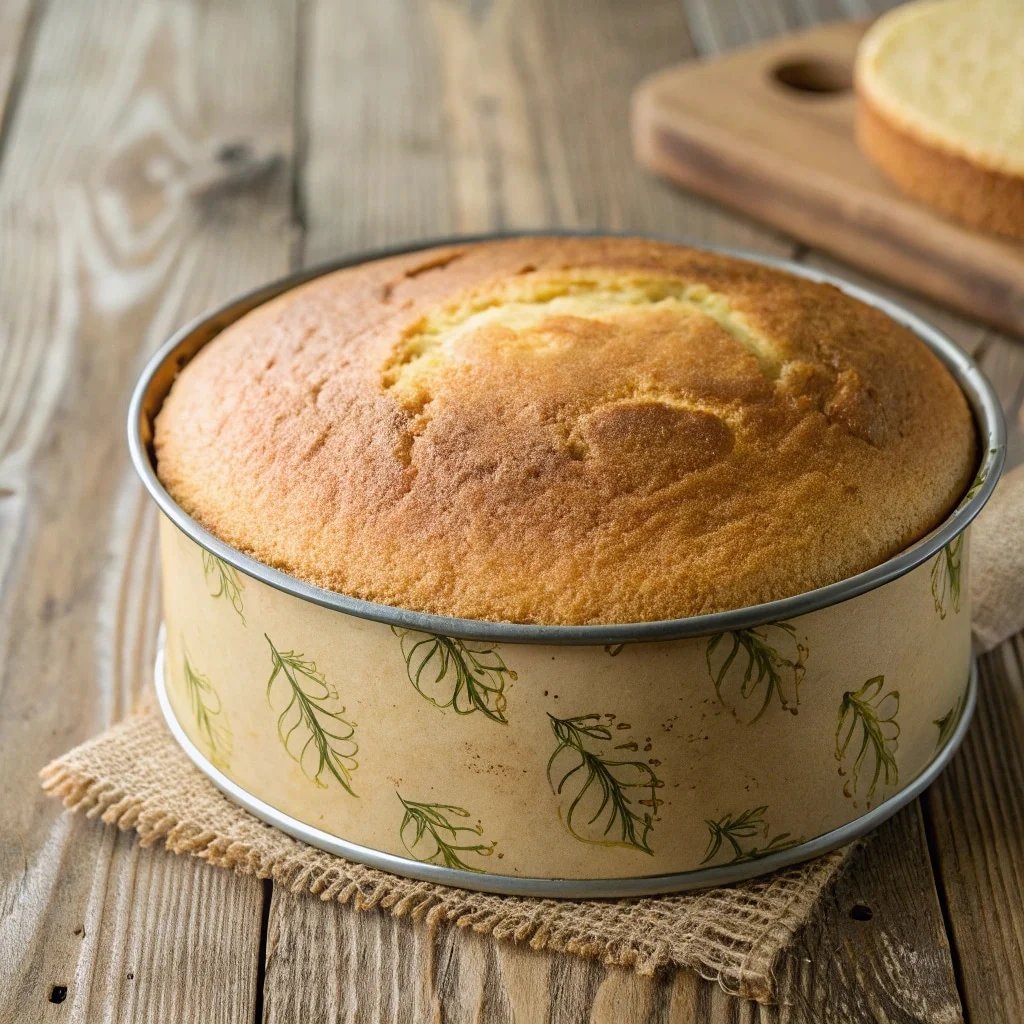
Baking has a mystique it doesn’t deserve — people treat it like chemistry, but beginner baking is really just following instructions carefully. When people ask what are the easiest baking recipes for beginners, they want bakes that forgive mistakes, need no special equipment, and taste great even when imperfect.
I taught myself to bake with exactly these recipes, and I’ve since taught friends, kids, and one very sceptical partner. Here are the ten bakes I’d hand any beginner, in order of easiness, plus the rules that make all of them work.
What are the easiest baking recipes for beginners? The foolproof ten
Start here: banana bread — the ultimate beginner bake. Mash 3 ripe bananas, mix with 125g melted butter, 150g sugar, 1 egg, 1 tsp vanilla, then fold in 190g self-raising flour and 1 tsp bicarbonate; bake 50–60 minutes at 170°C fan. One bowl, no creaming, no piping — and overripe bananas (the blacker the better) do the flavour work. Flapjacks are equally forgiving: 250g oats, 125g butter, 125g sugar, 3 tbsp golden syrup, melted together, pressed into a tin, 20 minutes at 170°C. Impossible to ruin; endlessly variable (add chocolate chips, dried fruit, a pinch of salt).
Next level, still easy: shortbread (butter, sugar, flour, 3:2:1 by weight — the classic ratio), Victoria sponge (equal weights butter, sugar, eggs, self-raising flour — weigh the eggs first, then match everything to them), muffins (wet into dry, barely mixed — lumps mandatory, as the pancake method teaches), rock cakes (the rubble-like scone-cookie hybrid that forgives everything), brownies (melted chocolate + butter + sugar + eggs + flour — fudgy even when slightly overbaked), lemon drizzle loaf (pound-cake method, syrup soaked in while warm), scones (the 10-minute miracle: flour, butter, milk, bake hot and fast), and fairy cakes (the small, friendly gateway to all cake).
- Banana bread — one bowl, overripe bananas, nearly unruinable
- Flapjacks — oats, butter, syrup; 20 minutes
- Shortbread — the 3:2:1 ratio (butter:sugar:flour)
- Victoria sponge — weigh eggs, match everything
- Muffins — barely mixed, lumps required
- Brownies — fudgy even when overbaked
- Lemon drizzle — syrup soaked in warm
- Scones — 10 minutes, hot oven, minimal handling
The beginner rules that matter
Rule one: read the whole recipe before starting — every beginner disaster I’ve witnessed involved discovering step 4 required something from step 1. Rule two: measure properly. Baking is the one cooking discipline where precision matters: level off flour with a knife (scooped flour can be 30% heavier), use proper measuring spoons, and consider £15 digital scales the best baking investment there is. Rule three: room-temperature ingredients — cold butter won’t cream, cold eggs curdle batter. Take them out an hour ahead.
Rule four: preheat the oven fully, and know your oven — most run hot or cold by 10–20°C; an oven thermometer (£8) removes the guesswork. Rule five: don’t open the oven door in the first two-thirds of baking (soufflés, sponges and Yorkshires all punish peeking). Rule six: cool properly — cakes continue cooking in the tin; 10 minutes in the tin then onto a wire rack stops soggy bottoms. And the golden rule: follow the recipe exactly the first time, experiment the second. Beginners who improvise on attempt one bake bricks; beginners who master the recipe first bake brilliantly forever.
Equipment: what you actually need
The beginner kit is small and cheap: digital scales, a couple of mixing bowls, a wooden spoon and a spatula, a 20cm round cake tin and a loaf tin, a muffin tray, a baking sheet, parchment paper, a wire cooling rack, and measuring spoons. That’s it — under £40 if you shop sensibly, and it covers all ten recipes above. Parchment paper deserves special mention: it prevents more sticking disasters than any non-stick coating, and it’s cheap.
What you don’t need yet: a stand mixer (lovely, not necessary — a wooden spoon and determination built every classic bake), piping bags, specialist tins, or a blowtorch. Buy equipment for the bake you’re actually doing, not the baker you imagine becoming. And one ingredient note: check your baking powder and bicarbonate dates — they lose power within 6–12 months of opening, and dead leavening is the silent cause of half of all ‘my cake didn’t rise’ tragedies. The fizz test (hot water + powder = vigorous bubbles) takes ten seconds.
Levelling up: your next ten bakes
Once the foolproof ten are comfortable, the natural progression: carrot cake (the spiced, oiled, cream-cheese-frosted classic — moist for days), coffee and walnut cake (the British teatime stalwart), Bakewell tart (shortcrust, jam, frangipane — three components, one triumph), Chelsea buns (enriched dough, currants, sticky glaze — your first yeast bake), focaccia (the gateway bread — dimpled, oily, nearly unruinable), and Victoria sponge variations (lemon, chocolate, coffee — the formula adapts endlessly).
Then the showstoppers: lemon meringue pie (pastry, curd, meringue — three skills, one legend), croissants (the two-day lamination project — ambitious, unforgettable), and the celebration cake (layered, filled, decorated — the bake that makes you the family hero). The progression principle: each new bake teaches one new skill — yeast, lamination, meringue, pastry — and the skills compound. The baker who started with banana bread is making croissants within a year. The journey from ‘I can’t bake’ to ‘I made the birthday cake’ is shorter than you think, and every step is delicious.
- Next level: carrot cake, coffee-walnut, Bakewell tart
- First yeast bakes: Chelsea buns, focaccia
- Formula variations: the Victoria sponge adapts endlessly
- Showstoppers: lemon meringue, croissants, celebration cakes
- Each bake teaches one skill — the skills compound
Start baking this weekend
Banana bread or flapjacks first — one bowl, under an hour, delicious. Read the recipe fully, measure properly, preheat the oven, don’t peek. Baking rewards the careful beginner more than almost any other cooking — your third bake will embarrass bakery shelves.
For breakfast bakes, make fluffy pancakes from scratch is the fluffy pancake method, and bake a cake that does not sink in the middle rescues cakes that sink. For endless recipe inspiration, BBC Good Food’s recipe collection is the beginner’s best friend.
The baking journey: start with the foolproof, follow the rules, then follow your curiosity. Baking is the most rewarding kind of cooking — the alchemy of raw ingredients becoming something greater, the house smelling of vanilla and butter, the pride of the cooling rack. Your first banana bread is the first step; the croissants are closer than you think.