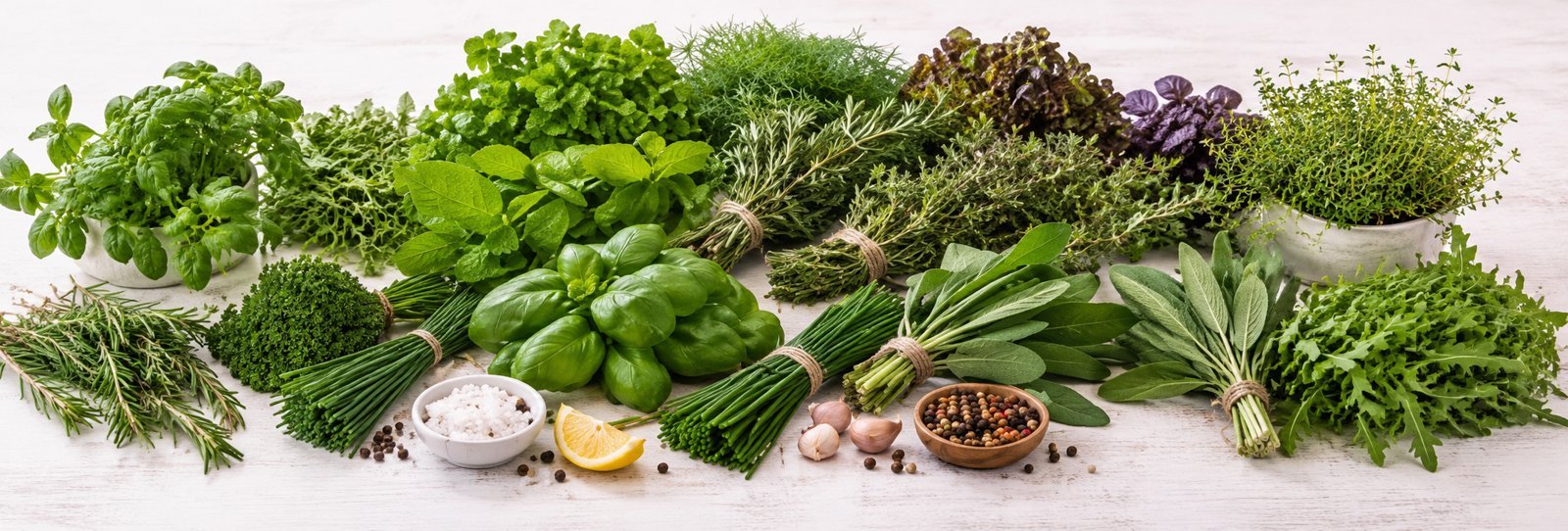
Fresh herbs are the fastest route from bland to brilliant cooking — and the fastest route to a slimy bag of regret in the fridge drawer. When people ask what is the best way to store fresh herbs so they last, they’ve usually watched £1.25 of coriander dissolve into black sludge within three days.
I’ve tested every storage method going, because I buy herbs constantly and hate waste. Here’s what works, herb by herb: the methods that keep parsley perky for two weeks and the ones that rescue basil from its usual 48-hour lifespan.
What is the best way to store fresh herbs so they last? Treat them like flowers
The water-glass method is the gold standard for soft herbs (parsley, coriander, dill, mint): trim the stems, stand the bunch in a jar with an inch of water like flowers, cover loosely with a plastic bag (a mini greenhouse), and refrigerate — changing the water every couple of days. Parsley and coriander last 2–3 weeks this way; mint practically forever. It’s the single biggest upgrade from the ‘leave them in the bag’ default, and it takes 60 seconds.
For basil — the diva of herbs — skip the fridge entirely: cold damages basil leaves (they blacken), so keep it in water on the countertop like a bouquet, out of direct sun. It lasts a week at room temperature versus two days refrigerated. Woody herbs (rosemary, thyme, sage, oregano) prefer the damp-towel method: wrap loosely in a slightly damp tea towel or kitchen paper, then into a bag or container in the fridge — 2–3 weeks easily. Chives: damp paper towel in a bag, snip as needed. The principle throughout: moisture controlled, not eliminated (too dry = wilted) and not excessive (too wet = slime).
- Soft herbs (parsley, coriander, dill, mint): water glass + bag in fridge — 2–3 weeks
- Basil: water on the countertop, NEVER the fridge
- Woody herbs (rosemary, thyme, sage): damp towel wrap in fridge — 2–3 weeks
- Change jar water every 2 days; keep leaves dry, stems wet
- Revive wilted herbs with 10 minutes in ice water
Freezing: the long game
For herbs you won’t use fresh in time, freezing beats binning — with the right method. Soft herbs (basil, coriander, parsley, dill) freeze best chopped and packed into ice-cube trays topped with olive oil or water; the frozen cubes go straight into cooking (soups, stews, sauces — not garnishes, as they go limp when thawed). Pesto freezes brilliantly in the same trays — basil pesto cubes are a winter treasure. Woody herbs freeze well whole in bags: rosemary and thyme go from freezer to roasting tray with no thawing needed.
What not to freeze: chives (mushy), and don’t bother freezing herbs for fresh garnish use — frozen herbs are a cooking ingredient, full stop. Drying is the other long-game option, and it suits woody herbs perfectly: hang bunches upside down in a dry, airy spot for 1–2 weeks, then crumble into jars. Home-dried thyme, oregano and rosemary outperform shop-bought dried versions. Soft herbs dry poorly (they lose everything) — freeze those instead.
Buying, growing and wasting less
Buy smart: supermarket potted herbs (£1.25) are often better value than cut bunches if you keep the pot alive — repot into a bigger pot immediately (the tiny pots are designed to die), water from below, and harvest from the outside. A £1.25 basil plant gives weeks of leaves versus days from a cut bunch. For cut herbs, choose bunches with no yellowing or slime, and use the ‘first in, first out’ rule — plan meals around the herbs you have, not the other way round.
The ultimate solution is growing your own: a sunny windowsill supports parsley, chives, mint (in its own pot — it’s invasive) and thyme year-round; a small outdoor pot grows rosemary and sage with zero effort. Even a £20 windowsill setup pays for itself within two months at supermarket herb prices. And the stems! Coriander and parsley stems are packed with flavour — chop them into curries, salsas and stocks instead of binning them. Waste nothing, buy less, grow a little: the herb economy that actually works.
The windowsill herb garden: growing your own
The ultimate herb storage is no storage — cut fresh as needed. A windowsill garden needs: the sunniest sill in the house (south-facing ideal; herbs tolerate east/west), pots with drainage (supermarket potted herbs repotted into 15cm+ pots — the tiny pots are designed to die), and the right varieties. The windowsill hall of fame: chives (cut-and-come-again forever), parsley (biennial — lasts two years), mint (in its own pot, always — it invades), thyme (neglect-tolerant), and basil in summer (the only fussy one — warmth, water, regular picking).
The care routine is minimal: water when the top 2cm is dry (not on a schedule — sills vary), feed monthly in growing season with half-strength liquid feed, and harvest correctly — pinch basil from the top to encourage bushiness, cut chives to 5cm and let them regrow, take parsley from the outside stems. A £20 setup (pots, compost, a few supermarket plants repotted) pays for itself within two months at £1.25-a-bunch prices — and the flavour of just-picked herbs embarrasses even the freshest shop-bought. The storage guide above handles the surplus; the windowsill handles the daily.
- Sunniest sill; 15cm+ pots with drainage
- Chives, parsley, mint (solo pot), thyme — the easy perennials
- Basil in summer only — warmth, water, regular picking
- Water by touch, not schedule; feed monthly in season
- Harvest correctly: pinch tops, cut outside stems
- £20 setup pays for itself in two months
Herbs that last
Soft herbs in water in the fridge, basil on the counter, woody herbs in damp towels, surplus frozen in oil cubes. Minutes of effort, weeks of fresh herbs — and an end to the slimy-bag-of-regret cycle.
For keeping the rest of the fridge fresh, best way to keep salad fresh for days covers salad storage and best picnic foods that travel well has picnic foods that travel well. For growing your own, BBC Good Food’s recipe collection has practical herb guides.
The herb philosophy: store what you buy, grow what you use daily. The water glass keeps the coriander alive, the freezer captures the surplus, and the windowsill provides the endless chives and parsley. Fresh herbs stop being a £1.25 gamble and become a permanent kitchen feature — which is what they should have been all along.