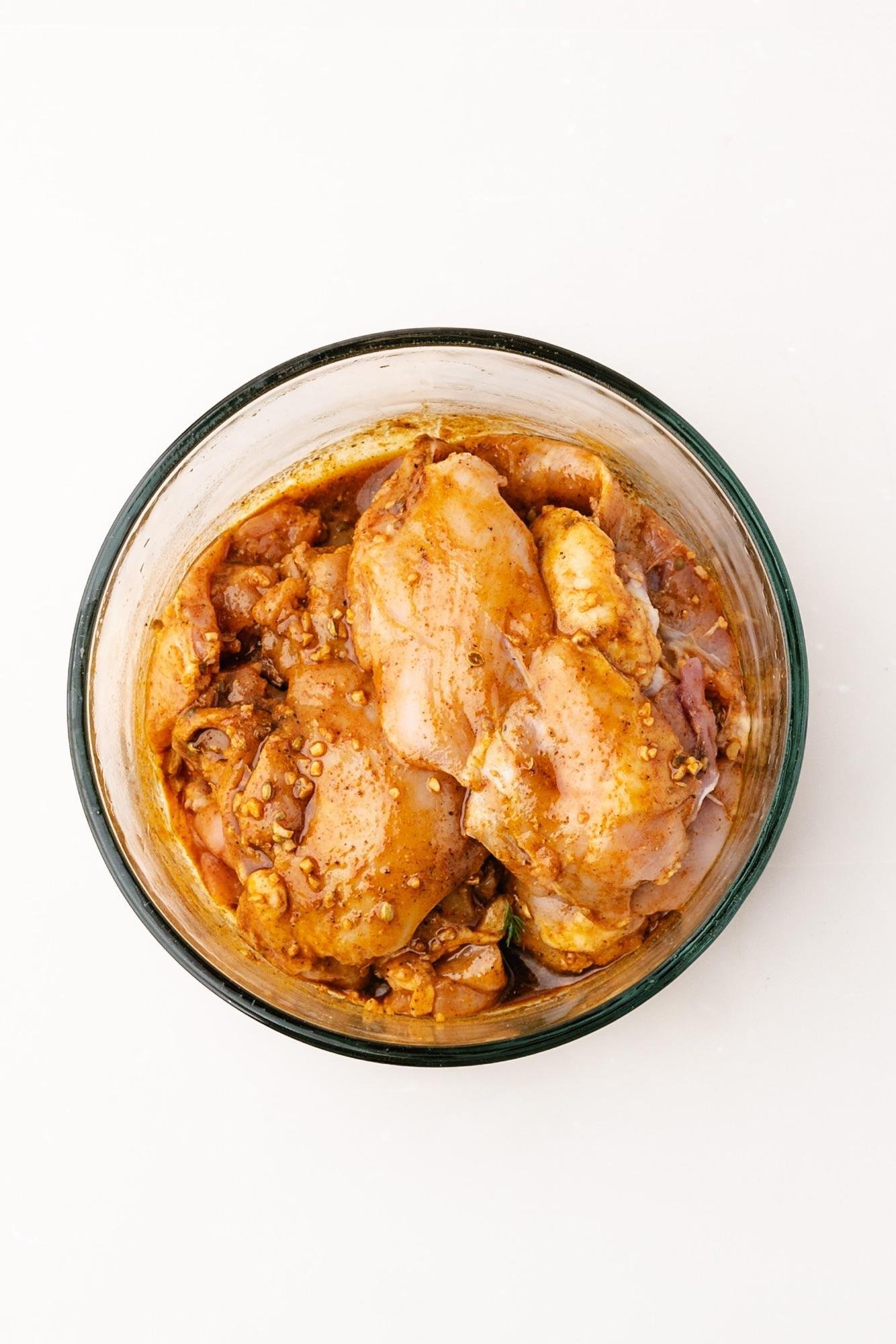
The best way to marinate chicken overnight balances three things: enough acid or salt to tenderise, enough oil to carry flavour, and enough time for it all to actually penetrate the meat. Get the balance right and even cheap chicken breasts turn juicy.
I marinate chicken most weeks, and the overnight method below is the one I default to because it’s forgiving. You mix it in two minutes the night before, and dinner the next day basically cooks itself.
How to Get Best Way To Marinate Chicken Overnight Right Every Time
Right, let’s get into it. Here’s the approach I come back to every time, broken down so you can follow along without any guesswork.
Build the marinade on a simple ratio
Aim for roughly three parts oil to one part acid (lemon juice, vinegar or yoghurt), plus a generous teaspoon of salt per 500g of chicken and whatever aromatics you like. The oil carries fat-soluble flavours into the meat, the acid tenderises the surface, and the salt seasons all the way through. Garlic, smoked paprika, cumin and black pepper are my default team.
People underestimate this step because it looks simple. It looks simple because it works.
Score thick breasts so flavour gets in
Chicken breast is thick in the middle and thin at the edges, which means the middle barely sees the marinade. A few shallow slashes across the thickest part, about half a centimetre deep, let the marinade penetrate evenly. It also helps the chicken cook more evenly, so no more dry edges with a raw centre.
If you take one thing from this section, make it this: the details compound.
If you found this useful, you might also enjoy our guide to use up leftover roast chicken.
Use a zip-lock bag, not a bowl
A sealed bag with the air pressed out keeps every bit of chicken in contact with the marinade, where a bowl leaves half of it sitting above the liquid. It also takes up less fridge space and means zero washing up. Double-bag it if you’re cautious about leaks.
There’s no shortcut around this one, but honestly, it’s the satisfying part anyway.
Marinate in the fridge, never on the counter
This is a food safety non-negotiable. Chicken sitting at room temperature for hours is a bacterial playground. Into the fridge it goes, ideally on the bottom shelf so it can’t drip onto anything else. Overnight means 8 to 12 hours: longer than 24 hours and the acid starts making the texture mushy.
Do it properly the first time and you’ll never have to troubleshoot it later.
Pat dry before cooking
This step separates juicy chicken from steamed chicken. Take the pieces out of the marinade, shake off the excess and pat them dry with kitchen roll. A dry surface sears and browns; a wet surface just steams. You’ll get far better colour and flavour on a hot pan or grill.
This might feel like extra effort now, but it saves time and disappointment down the line.
Cook it properly and rest it
Sear over medium-high heat until golden, then finish through until the juices run clear and the thickest part hits 75°C if you have a thermometer. Then rest the chicken for five minutes before slicing. Resting lets the juices redistribute instead of flooding out onto the chopping board.
The difference this makes is out of all proportion to the effort involved.
Tips That Make a Real Difference
The main method above does most of the heavy lifting, but these little extras are what separate a decent result from a great one.
- Yoghurt-based marinades (think tandoori style) are the most forgiving: the mild acid tenderises without turning the meat mushy. It takes seconds and saves headaches.
- Don’t reuse marinade that’s touched raw chicken unless you boil it hard for several minutes first. Obvious once you know it, easy to miss until then.
- Frozen chicken can go straight into marinade in the fridge: it thaws and marinates at the same time, ready in about 12 hours. Small habit, big payoff.
- A teaspoon of honey or brown sugar in the marinade helps with caramelisation and gorgeous browning. You’ll thank yourself later.
- Label the bag with the date. Future you will not remember when it went in. It becomes second nature quickly.
If you found this useful, you might also enjoy our guide to bake a cake that does not sink in the middle.
Mistakes That Trip Most People Up
Most problems people run into here come from the same handful of mistakes. Here’s what to watch for.
Marinating too long in strong acid
Lemon juice or vinegar beyond 24 hours breaks down the surface into an unpleasant mushy texture. Yoghurt is safer for long marinades.
Not using enough salt
An under-salted marinade flavours the surface but leaves the inside bland. Salt is the one ingredient that truly penetrates.
Cooking straight from the marinade without patting dry
Wet chicken steams instead of searing, so you miss out on all that golden flavour.
What to Know in the UK
A quick word on the practical side of things here in the UK, because where you shop and what you buy does matter.
Value chicken breasts from Aldi or Lidl (around £5 to £6 per kilo) become genuinely delicious with an overnight marinade, which is a great way to eat well on a budget.
For a second opinion, BBC Good Food’s recipe collection is always a solid reference.
A digital food thermometer costs about £8 on Amazon UK and takes all the guesswork out of knowing when chicken is safely cooked through.
Quick Answers to Common Questions
A few questions come up again and again on this topic, so let’s deal with them head on.
How long is too long to marinate chicken?
For most marinades, 24 hours is the sensible maximum. Acidic ones (citrus, vinegar) are best kept under 12 hours, while yoghurt or oil-based ones are fine up to 24.
Can I marinate chicken from frozen?
Yes, safely, as long as it thaws in the fridge in the marinade, not on the counter. Give it a full 12 hours so it thaws completely before cooking.
Quick Recap
Short on time? Here’s the whole thing condensed into the key points.
- Build the marinade on a simple ratio — Aim for roughly three parts oil to one part acid (lemon juice, vinegar or…
- Score thick breasts so flavour gets in — Chicken breast is thick in the middle and thin at the edges, which means…
- Use a zip-lock bag, not a bowl — A sealed bag with the air pressed out keeps every bit of chicken in…
- Marinate in the fridge, never on the counter — This is a food safety non-negotiable. Chicken sitting at room temperature for hours is…
- Pat dry before cooking — This step separates juicy chicken from steamed chicken. Take the pieces out of the…
- Cook it properly and rest it — Sear over medium-high heat until golden, then finish through until the juices run clear…
The Takeaway
So, where does that leave us?
The overnight marinade formula is simple: oil, acid, salt, aromatics, zip-lock bag, fridge, 8 to 12 hours. Pat the chicken dry before it hits the heat and rest it after. Do that and even budget chicken breasts come out juicy and full of flavour, with about two minutes of actual effort from you.
If you remember nothing else, remember this: best way to marinate chicken overnight comes down to the fundamentals above, done consistently. Start with the first step, build from there, and you’ll get there faster than you think.
If you found this useful, you might also enjoy our guide to make homemade bread without a bread maker.
For a second opinion, the NHS Eat Well guide is always a solid reference.