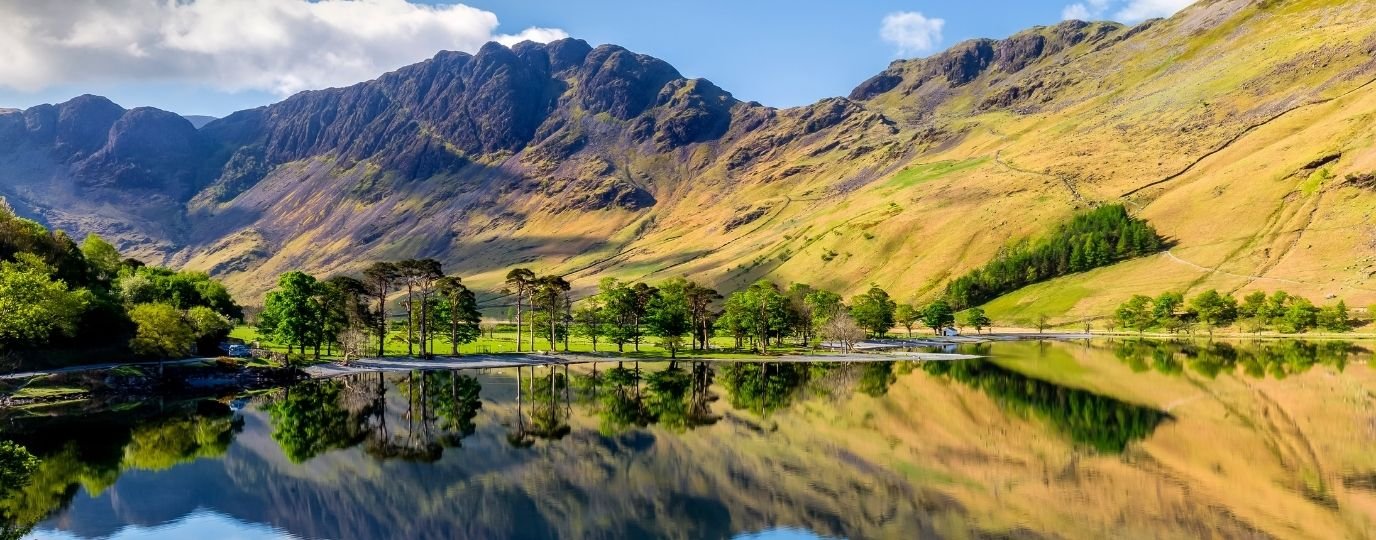
Fells, water and wide skies charge no entry fee in the Lakes. Careful choices about sleeping, moving and eating decide whether a visit stays modest or quietly balloons.
That simple truth shapes every sensible plan for the Lake District, because the landscape itself asks nothing of your wallet while everything around it competes for attention. Anyone who has enjoyed exploring Snowdonia without a car will recognise the same pattern here, where modest spending follows naturally once you stop paying for things the hills already provide freely. The sections below weigh the main choices side by side, so you can decide where a little spending genuinely improves the trip and where it merely replaces something that was already wonderful. Treat each comparison as a lever rather than a rule, since families, walkers and couples travelling slowly will each pull those levers in slightly different ways.
Hostels Versus Self Catering Stays
Hostels suit walkers who spend their days outdoors and their evenings in cheerful shared spaces. Dormitory beds keep costs low, drying rooms rescue sodden boots, and communal kitchens let you cook simple suppers instead of hunting for a restaurant table after a long descent. Many hostels also occupy glorious old buildings in valleys that hotels would charge handsomely to overlook, so the setting rarely feels like a compromise. The trade off involves privacy and noise, because shared rooms reward light sleepers poorly and busy holiday weeks can fill every bunk. Couples who value quiet may prefer a private hostel room, which keeps the kitchen and the sociable atmosphere while restoring a door that locks.
Self catering cottages and flats reverse those strengths and weaknesses. Your own kitchen makes breakfast before dawn entirely painless, packed lunches become routine, and a washing machine quietly transforms a muddy week. Groups sharing a larger property often find the split surprisingly gentle on each person, especially outside the busiest weeks. Yet solitary travellers and pairs can find small cottages oddly costly, and a remote farmhouse may add driving to every errand. A useful middle path involves choosing a small apartment in a town such as Keswick or Ambleside, where shops sit within walking distance and evening options remain open without anyone needing to drive home afterwards in the dark.
Buses Versus Cars Compared
Driving offers obvious freedom, particularly for dawn starts, scattered trailheads and travellers carrying climbing gear or young children. Against that freedom sit fuel costs, parking charges in popular valleys, and narrow lanes where meeting a bus on a blind bend tests everyone involved. Summer queues into famous spots can also eat the very hours you travelled to enjoy. A car still earns its place for groups, for those with limited mobility, and for itineraries hopping between distant corners in a short stay, provided the driver accepts slower progress as part of the scenery rather than a personal insult from the road.
Buses change the maths and the mood. Open top services and valley routes let every passenger watch the fells instead of the tarmac, and linear walks become simple when you ride out and stroll back. The authority that runs the Lake District National Park provides visitor information about routes, facilities and caring for the landscape, and its guidance helps visitors match bus corridors with walking areas before they arrive. Services thin out in the evening and on quieter weekdays, so the final return journey deserves checking before you set off uphill. Walkers who plan around a dependable route often discover that the bus removes parking stress entirely, which can feel like a small holiday inside the larger one.
Famous Peaks Versus Gentle Shores
Celebrated summits promise drama, and on a clear morning the high ridges deliver views that explain their fame instantly. Anyone consulting a Lake District region overview will spot the same celebrated names recurring, from broad green valleys to the highest ground in England. Fame carries costs that never appear on a price list, though, including crowded paths, eroded shortcuts and car parks that fill before mid morning. Weather also bites harder with height, and the Met Office provides mountain weather forecasts covering the Cumbrian fells to help walkers plan safely, which means checking conditions the evening before rather than trusting a blue patch seen from the valley floor at breakfast.
Gentle shores offer a different bargain. Lakeside paths around quieter waters reward unhurried picnics, paddling children and photographers waiting for evening light, all without the long climb. Woodland trails, waterfalls after rain and low hills with wide outlooks give tired legs a graceful second day between bigger efforts. Many visitors find the trip improves when fame stops leading the itinerary, because the region rewards lingering far more than summit collecting. A balanced week might pair one ambitious ridge with several slower explorations, leaving energy to enjoy both rather than limping through a checklist of celebrated names while secretly longing for a bench, a flask and absolutely no further ascent.
Shoulder Seasons Versus Peak Crowds
Peak summer brings long evenings, lively towns and the fullest programme of boats, buses and attractions, yet it also brings the highest lodging prices and the fiercest competition for tables and parking. Families tied to school holidays can still soften those pressures by basing themselves slightly away from the busiest honeypots and walking earlier in the day. Shoulder seasons trade some certainty about sunshine for calmer paths, gentler rates and pubs where the fire is lit and the landlord has time to talk. Spring offers lambs, fresh green valleys and waterfalls running strongly, while autumn colours the bracken and rewards walkers who pack for variety rather than for warmth alone.
Winter deserves respect rather than dismissal. Short days limit ambitious routes, and high ground can turn wintry without warning, but low level walks, cosy villages and quiet museums make a restorative short break. Whatever the season, reading a little about how national parks background explained in broader terms can sharpen your sense of why these landscapes are protected and shared, and why leaving no trace matters more when visitor numbers concentrate in a few famous valleys. Timing also affects which businesses stay open, so checking seasonal hours for boats, cafés and attractions avoids the small disappointment of arriving at a locked door after a satisfying walk built partly around the promise of cake.
Paid Attractions Chosen Selectively
Paying for everything would miss the point of a national park, yet refusing every ticket on principle can miss pleasures that genuinely enrich a trip. The National Trust describes the historic places in its care across Cumbria, including homes and gardens open to visitors, and a well chosen house visit adds shelter, stories and gardens to a week otherwise spent outdoors. Lake cruises can double as transport when they replace a return walk or a drive, turning a fare into both journey and viewpoint. Steam railways, slate mine tours and small museums each earn their place when they match a real interest in your party rather than filling an anxious gap in the schedule.
A practical approach sets a small attractions allowance before arrival and spends it slowly. Choose the experience your group will still discuss at supper, skip anything chosen purely because a leaflet appeared, and remember that children often remember a stream, a rope swing and an ice cream more warmly than a grand interior. Free pleasures deserve equal planning rather than leftover status, so mark viewpoints, swimming spots and picnic meadows on the map with the same care given to ticketed stops. That balance keeps spending deliberate, and deliberate spending rarely feels wasted even when the weather forces a change of plan halfway through the afternoon.
Eating well without overspending follows similar logic, since food is the daily cost that quietly repeats. Self catering breakfasts and packed lunches reserve restaurant spending for one chosen meal rather than three negotiated ones, and a rucksack lunch eaten above a valley usually outclasses a hurried café plate eaten beside a car park. Farm shops and village bakeries keep picnic quality high, while pubs reward walkers who arrive for an early supper after the lunchtime rush has cleared. Travellers sharing a cottage can divide cooking duties across the week so that nobody becomes the unpaid chef of the holiday, and a shared kitty for basics keeps the arrangement feeling fair. Even hostel guests manage handsomely with a one pot supper, a loaf from the village shop and a pudding carried back for the common room. The point is never to eat meanly, because good food belongs inside a good holiday, but to choose the moment when a meal becomes an occasion rather than a reflex. A celebratory dinner on the final evening, booked somewhere with a view of the water and ordered without anxiety, tends to be remembered far longer than a string of forgettable midday stops that each cost nearly as much in total. Planning food with the same calm comparison applied to beds and transport simply completes the pattern, and it leaves more of the budget available for the one or two paid pleasures the group genuinely cares about.
Rainy Day Alternatives Compared
Rain will visit most trips, so comparing wet weather options in advance prevents the classic error of paying heavily for the nearest indoor attraction in a moment of collective gloom. Towns such as Kendal, Keswick and Penrith offer museums, cinemas, climbing walls, swimming pools and bookshops that can fill a damp day happily without heroic spending. Village halls, churches and small galleries reward curiosity, while a scenic drive between cafés turns low cloud into atmosphere rather than failure. Packing proper waterproofs also reopens the outdoors itself, because a short waterfall walk in steady rain can feel wilder and more memorable than the same path under polite sunshine.
The verdict across every comparison points the same way. Spend where comfort, safety or a shared memory clearly improves, and let the free landscape carry the rest of the trip with confidence. Hostels or cottages, buses or cars, peaks or shores matter less than the habit of choosing deliberately instead of drifting into the dearest default. Visitors who plan that way usually return home with the pleasant suspicion that the finest parts of the Lake District were the parts nobody could sell them, and that suspicion tends to bring them back for another modest, unhurried week among the fells before very long at all.