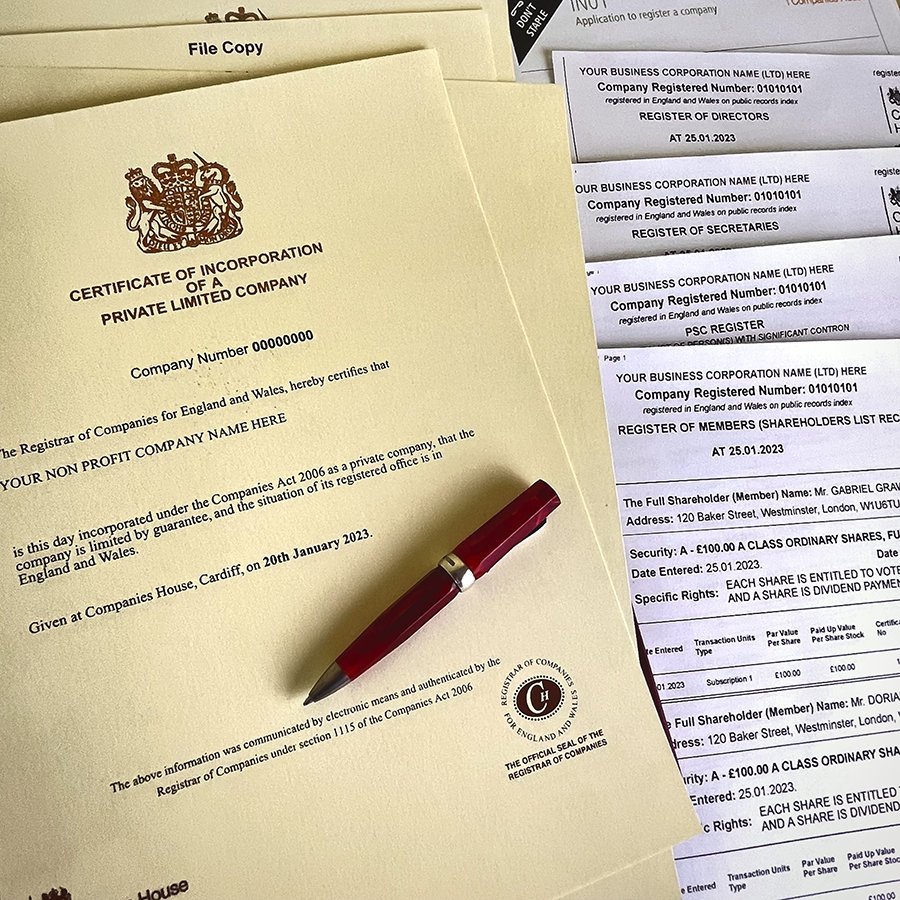
Registering a limited company in the UK is one of the great bureaucratic bargains: for £50 and about 20 minutes online, you create a legal entity that can trade, employ, borrow, and — crucially — shields your personal assets from business debts. But the headline fee is just the beginning. The cost to register a limited company in the UK is small; the ongoing costs of running one are what you should budget for. Here’s the full picture, from the £50 filing to the annual accounting bill.
Register limited company cost UK: the registration itself
DIY via Companies House: £50
Register directly at Companies House online for £50 (digital) — the application typically approves within 24 hours. You’ll need: a unique company name (check availability on the Companies House register first), a registered office address in the UK (this goes public — consider a formation address service if it’s your home), at least one director, at least one shareholder, your SIC code (the standard industry classification — pick the closest match), and your Articles of Association (the default model articles are fine for most small companies). £50, done, you’re a company.
Via a formation agent: £50–£150
Companies like 1st Formations, Quality Company Formations, or Crunch bundle registration with extras: printed certificates, registered office address services (£50–£100/year — keeps your home address off the public register), VAT registration help, and sometimes a “free” accounting consultation (which is a sales call, but occasionally useful). Worth it for the registered office service alone if you’re running the company from home and value privacy — your home address on the public Companies House register is forever, otherwise.
Via an accountant: £100–£300 (often bundled)
Many accountants form the company free or cheap as part of taking you on as a client. If you’re going to need an accountant anyway (see below — you probably are), this is the smoothest route: they handle the formation correctly, set up the share structure sensibly, and register you for everything needed in one go.
The ongoing costs (the real budget)
This is what surprises first-time directors. Annual running costs for a small limited company:
- Confirmation statement: £34/year to Companies House (the annual “yes, these details are still correct” filing).
- Registered office address service: £50–£120/year (if you don’t want your home address public).
- Accountant: £600–£1,500/year for a small company (accounts preparation, corporation tax return, payroll if you pay yourself a salary, general advice). This is the big one — and worth every penny. Doing limited company accounts yourself is possible but the penalties for getting it wrong dwarf the fee.
- Business bank account: £0–£15/month (see our business bank accounts and free banking for startups guides).
- Insurance: £100–£300/year depending on trade (see home business insurance).
- Software: accounting software £15–£30/month (see accounting software for small businesses).
Realistic first-year total: £1,000–£2,000 beyond the £50 registration. Budget for it upfront — the founders who incorporate without budgeting the running costs are the ones who end up with surprise bills and late-filing penalties.
Before you register: is limited actually right?
Don’t incorporate on autopilot. Limited companies make sense when: profits exceed ~£30k (tax efficiency kicks in), you want liability protection (contracts, employees, risk), or clients expect it (some corporates won’t engage sole traders). Below that, the admin overhead often outweighs the benefits — our sole trader vs limited company comparison works through the maths, and our starting a business from home guide covers the alternative path.
Also consider timing: incorporating mid-tax-year is fine, but cleanest at the start of your accounting period. And choose your accounting date thoughtfully at formation — 31 March aligns with the tax year and simplifies everything.
After registration: the first-month checklist
- Open the business bank account — do this immediately; mixing personal and company money from day one creates an accounting nightmare.
- Register for corporation tax with HMRC (within 3 months of starting to trade — your accountant usually handles this).
- Set up PAYE if you’ll pay yourself a salary (most directors take a small salary + dividends — your accountant will optimise this).
- Consider VAT registration — mandatory at £90k turnover, but voluntary registration can make sense earlier (see our VAT registration guide).
- Get the stationery right: company name, number, and registered office must appear on invoices, website, and emails — it’s a legal requirement, not a nicety.
- Understand your director duties — they’re real legal obligations (keep proper records, don’t trade while insolvent, file on time). The penalties for ignoring them are personal.
Companies House itself (via GOV.UK) is the authoritative source for the process — start there, not with an agent’s sales page.
Common formation mistakes to avoid
- Choosing a name that’s too similar to an existing company — Companies House will reject it, and trademark conflicts can force an expensive rename later. Search the register and do a trademark search before committing.
- Using your home address as the registered office without thinking — it’s public forever, marketed to by every business-data broker in the country. The £50/year address service is cheap privacy.
- Issuing 100 £1 shares to yourself without thought — fine for most, but if you ever want co-founders or investors, the share structure matters. A quick accountant conversation at formation saves restructuring later.
- Forgetting the PSC (Person with Significant Control) filings — you’re almost certainly a PSC; it must be declared. Agents handle this automatically; DIY filers sometimes miss it.
- Not telling HMRC you’ve started trading — Companies House registration and HMRC notification are separate steps. Miss the corporation tax registration deadline and penalties start accruing.
The practical takeaway
Registration costs £50 DIY or £100–£150 via an agent (worth it for the registered-office privacy). Budget £1,000–£2,000 for the first year’s running costs — accountant, confirmation statement, banking, insurance, software. Don’t incorporate without doing the sole-trader comparison first, get an accountant from day one, and handle the first-month checklist (bank account, corporation tax, PAYE, VAT decision) before you start trading. The £50 is the cheapest part; the discipline is the expensive part.