To start a daily meditation habit, meditate for just five minutes at the same time each day, in the same quiet spot, using a guided session from a free app. Attach it to something you already do — like after your morning cuppa — and focus on showing up daily rather than “clearing your mind,” because consistency is what builds the habit.
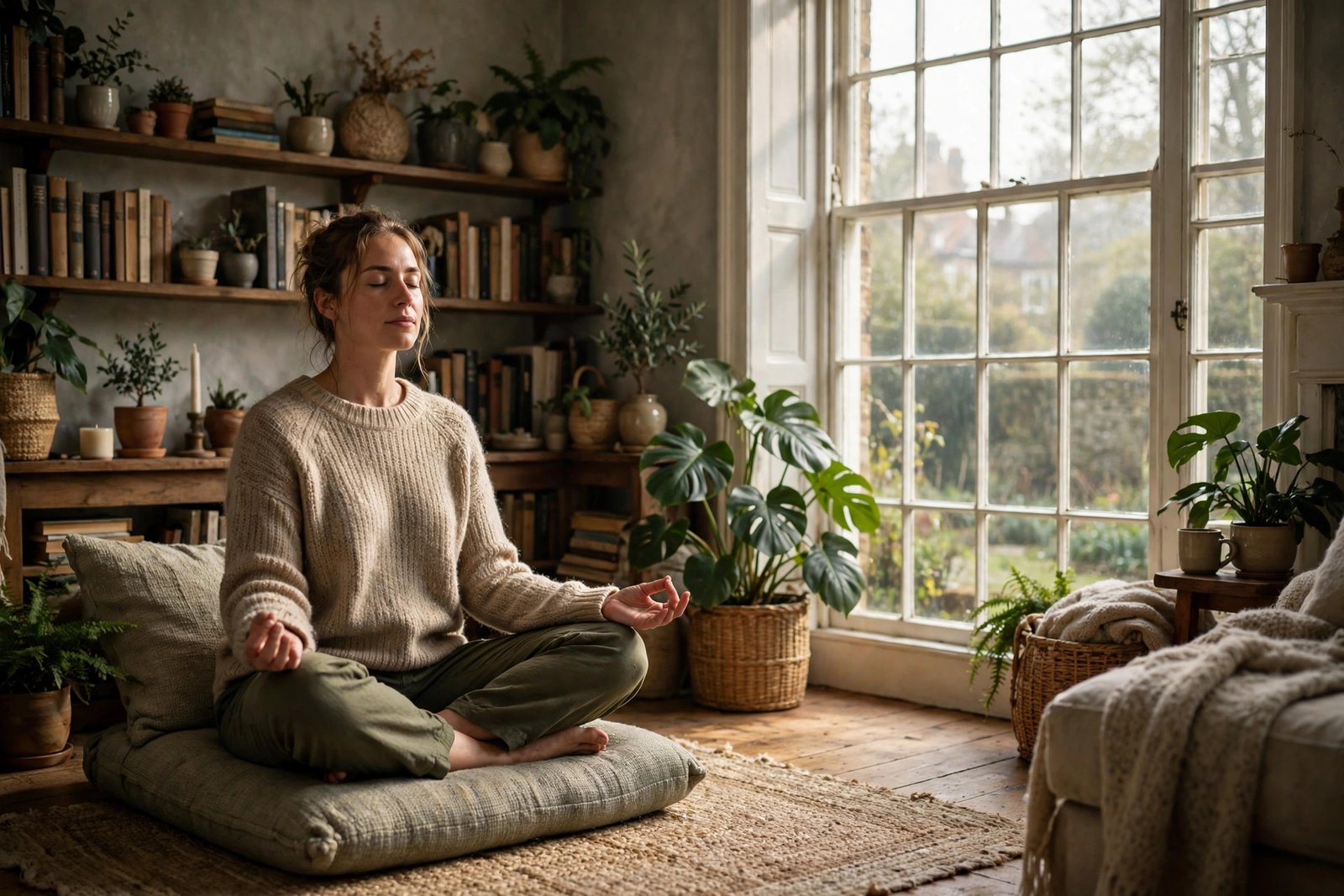
Most people who try meditation quit within a week, and it is almost never because meditation “doesn’t work for them.” It is because they start with twenty minutes of silent sitting, get bored or fidgety, and conclude they are bad at it. The problem is the starting line, not the runner. Shrink the commitment until it feels almost too easy, and the habit takes care of itself.
Start Absurdly Small
Five minutes. That is genuinely enough to begin, and there is decent evidence that short daily sessions beat occasional long ones for building a lasting practice. Set a timer so you are not clock-watching, sit somewhere comfortable — a chair is fine, no lotus position required — and follow a guided meditation. Free options like Insight Timer or the introductory sessions on most apps will walk you through it.
The goal of those five minutes is not blissful emptiness. It is simply to notice when your attention wanders and gently bring it back. That noticing-and-returning is the exercise. Every wander is a rep, not a failure.
Pick a Time and a Place
Mornings work best for most beginners because the day has not yet filled up with excuses, but the honest answer is: the best time is the time you will actually do. Link meditation to an existing anchor — after brushing your teeth, while the kettle boils, on the train to work — and it stops being a separate task you have to remember. This technique, called habit stacking, is one of the most reliable ways to make any new behaviour stick.
Use the same spot each day if you can. A particular chair, a corner of the bedroom. Over time, simply sitting there starts to cue the calm state, the way walking into a library cues quiet.
Guided or Silent?
Start guided. A voice telling you what to do with your attention removes the “am I doing this right?” anxiety that derails beginners. After a few weeks, try unguided sessions with just a timer and your breath. Many people end up mixing the two — guided on busy days, silent on calm ones. There is no hierarchy; the best method is the one you will repeat tomorrow.
What to do when your mind wanders
It will wander. Constantly. That is not a sign of failure — it is the raw material of the practice. When you catch yourself rehearsing an argument with your boss or planning dinner, just note “thinking” and return to the breath, the body scan, or whatever the guide suggests. You might do this fifty times in five minutes at first. That is fifty successful reps.
Making It Stick Past Week Two
The novelty wears off around day ten, and this is where most habits die. A few things that help:
- Track the streak. A simple tick on a wall calendar is surprisingly motivating — nobody wants to break the chain.
- Lower the bar on hard days. One minute still counts. Protecting the streak matters more than the session length.
- Tell someone. A partner or friend who asks “did you meditate today?” is a powerful accountability tool.
- Notice the effects. After a couple of weeks, most people spot small changes — slightly less reactive in traffic, falling asleep a bit faster. Noticing them feeds motivation.
If you miss a day, do not “make up” for it with a double session and do not start the count again from zero with a sense of failure. Just meditate the next day. Perfectionism kills more habits than laziness ever has.
Free UK Resources Worth Knowing
You do not need to spend a penny. The NHS Every Mind Matters pages include short mindfulness exercises alongside their broader wellbeing advice, and the charity Mind offers practical guidance on relaxation techniques. Many local libraries and community centres run free or donation-based meditation groups if you prefer company — the shared silence of a group sit can be easier than doing it alone.
Meditation pairs well with the other small upgrades in this series: new parents juggling the nursery run might read our guide on preparing your child for daycare, and if you want to feel more at ease in photos as your confidence grows, see how to take good selfies.
Frequently Asked Questions
-
How long before I notice any benefits?
Most beginners report subtle changes — feeling slightly less reactive, sleeping a little better — within two to three weeks of daily practice. Bigger shifts in stress levels typically take a month or two of consistency. -
Is five minutes really enough?
To build the habit, yes. Short daily sessions are far more effective than occasional long ones. Once the habit is established, you can extend to ten or fifteen minutes if you want to — but you never have to. -
What if I keep falling asleep?
Very common, especially with evening sessions. Try meditating earlier in the day, sitting upright rather than lying down, and splashing cold water on your face first. If you are chronically exhausted, the sleep might be what your body needs most. -
Do I need an app, or can I just sit quietly?
You can absolutely just sit quietly and follow your breath. Apps help beginners by providing structure and removing guesswork, but they are a scaffold, not a requirement. -
Can meditation replace treatment for anxiety or depression?
No. Meditation is a helpful wellbeing tool, but it is not a substitute for professional treatment. If you are struggling, speak to your GP — the NHS offers talking therapies you can often self-refer to.