Belfast is quietly one of the UK’s most interesting conservation cities. Within a short drive: the Belfast Hills’ heathland, Belfast Lough’s internationally important birdlife, the Lagan Valley’s red squirrels, and a string of nature reserves where bitterns boom and marsh fritillaries fly. Northern Ireland’s wildlife has had a hard century — but the recovery is being driven substantially by local projects that run on surprisingly small budgets and volunteer power. Supporting them costs less than most people assume, and the options range from genuinely free to “cheaper than a Netflix subscription.” This guide prices the real options in and around Belfast.
Why Local Conservation Needs You (The Honest Case)
Three facts make the case. Scale: Northern Ireland has less protected land than any other UK region — local projects fill gaps the big designations miss. Leverage: small conservation charities turn £1 of donations into extraordinary volunteer-amplified value — a £30 membership can fund the tools a volunteer team uses to manage hectares. Proximity: the sites you’ll help are the ones you’ll walk — the Lagan towpath, Cave Hill, Belvoir Forest, the Belfast Hills. This isn’t abstract philanthropy; it’s maintaining your own backyard. And the biodiversity stakes are real: curlew, hen harrier, marsh fritillary and red squirrel are all Northern Ireland conservation priorities hanging on in these local sites.
The Free Tier: £0, Real Impact
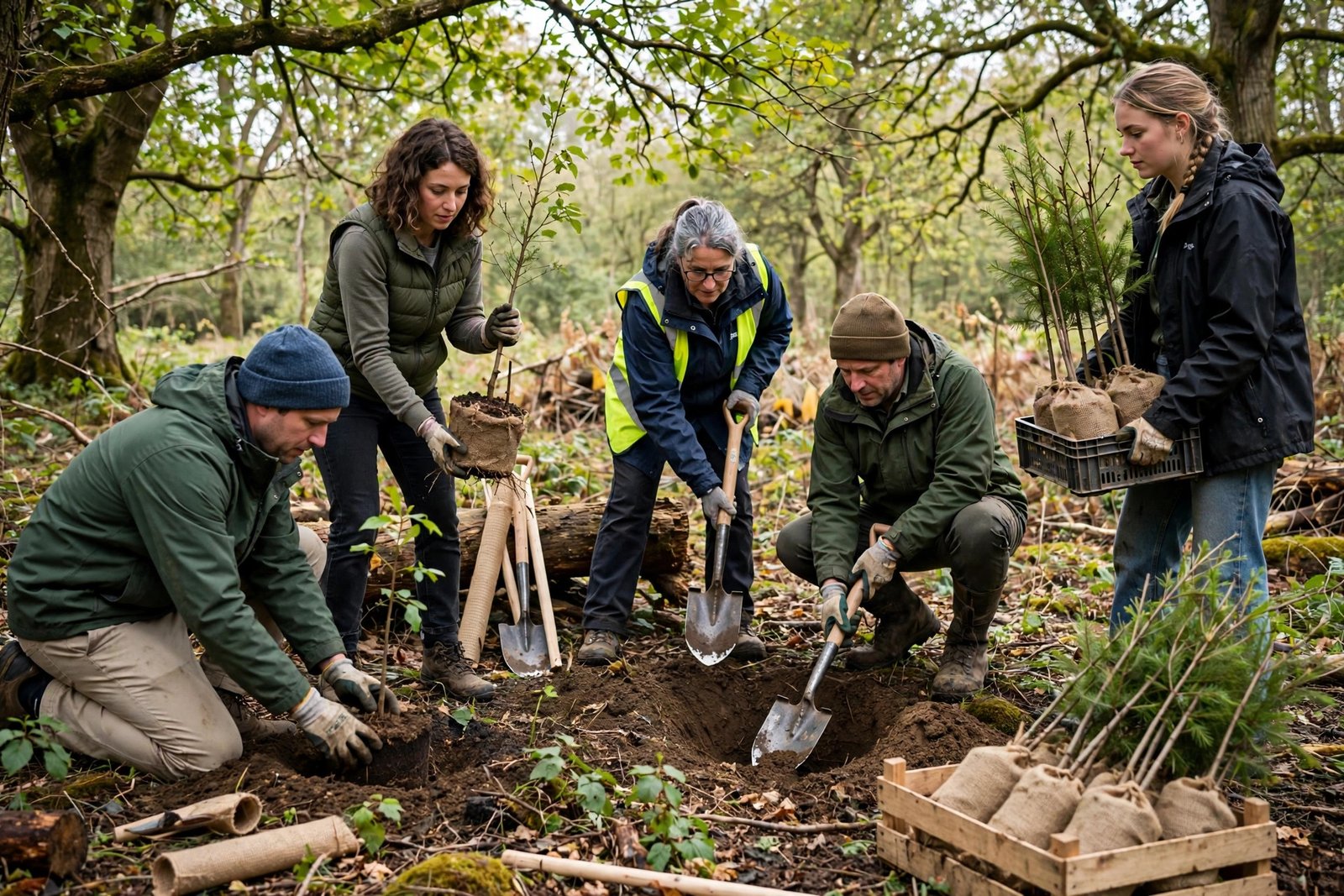
Volunteering is the highest-impact free option, and Belfast’s projects are hungry for it:
- Ulster Wildlife — volunteer work parties at reserves (Belvoir Park Forest, Bog Meadows and more): habitat management, species surveys, practical conservation. No experience needed; tools and training provided.
- RSPB NI — Belfast’s Window on Wildlife (WOW) reserve at Airport Road West runs on volunteers: visitor engagement, habitat work, survey assistance.
- Belfast Hills Partnership — conservation volunteering across the hills: path repair, litter picks, habitat restoration with views over the city.
- National Trust (NI) — volunteering at Divis and the Black Mountain, Minnowburn, Giant’s Ring: ranger support, visitor work, conservation tasks.
- Citizen science: the BTO’s BirdTrack, Butterfly Conservation’s counts, the National Plant Monitoring Scheme — your records directly inform conservation science, from your garden or local park.
Time cost: typically one day a month (or a few hours weekly). The return: skills, community, exercise, and the documented wellbeing boost of conservation volunteering — Wildlife Trusts research consistently finds volunteers report significantly improved mental health. For the garden half of the equation, low-maintenance wildlife-friendly gardening and budget garden ideas turn your own plot into a micro-reserve for free.
The Membership Tier: £2–£8/Month
Memberships are the financial backbone of local conservation — unrestricted income that funds the unglamorous essentials (insurance, tools, staff time). Belfast-relevant options and typical costs:
- Ulster Wildlife: ~£3–£5/month — Northern Ireland’s own wildlife trust, managing 20+ nature reserves including sites around Belfast. The most directly local option.
- RSPB: ~£5–£8/month — includes free entry to 170+ reserves (including WOW Belfast) and funds species recovery work.
- National Trust: ~£7–£9/month — access to Divis and the Black Mountain, Minnowburn, Crom and beyond, plus the conservation work on 46,000+ NI acres.
- Woodland Trust: free to join as a member (donations optional) — funds NI woodland creation and protection.
- Butterfly Conservation (NI branch): ~£3/month — the marsh fritillary and other NI priority species.
One membership (£36–£96/year) is the sweet spot for most supporters — pick the organisation whose reserves you actually visit, because the free entry alone often pays back the fee, and the alignment keeps you engaged.
The Active Tier: £50–£500 (Targeted Giving)
Beyond membership: sponsor-an-acre / reserve appeals (£25–£100 one-off — land purchase appeals are the highest-leverage donations in conservation; a £50 gift toward a reserve purchase protects habitat permanently). Corporate/team volunteering days (free for you, paid by employers — pitch it to your workplace). Wildlife gardening grants — some councils and partnerships offer small grants or free trees/plants for community wildlife projects. Legacy giving — the quiet giant of conservation funding; a small will bequest to a local trust outlives every other gift. Fundraising challenges — sponsored walks in the Belfast Hills convert your fitness into their funding.
Where the Money Goes (Transparency Check)
Reasonable questions deserve straight answers. Established conservation charities typically spend 70–85% on charitable activities (reserve management, species work, education), with the rest on fundraising and administration — check any charity’s accounts free on the Charity Commission for Northern Ireland register. Local trusts punch above their weight on efficiency (small teams, volunteer leverage, no London overheads). Red flags anywhere: persistent deficits, fundraising costs above ~25%, or vague “awareness” spending with no habitat outcomes. The Belfast-area trusts score well on all of these — which is part of why local giving here is good value.
The Belfast Conservation Map: Where to Point Yourself
Belfast’s Window on Wildlife (RSPB): Airport Road West — waders, wildfowl, terns; free entry for members, small charge otherwise; volunteering available. Belvoir Park Forest (Ulster Wildlife): ancient woodland fragments, red squirrels nearby in the Lagan Valley. Bog Meadows (Ulster Wildlife): urban wetland reserve off the Falls Road — proof that conservation works in the city. Divis and the Black Mountain (National Trust): heathland, skylarks, peregrines, panoramic city views — the flagship. Cave Hill: council-managed country park with conservation grazing. Belfast Hills Partnership sites: the connective tissue across all of the above. Visit three this month (all free or cheap to access) and you’ll have a personal stake in every section of this guide.
Conclusion: The Real Cost
Supporting local conservation projects in Belfast costs £0 for volunteering (the highest impact per pound — because the pounds are zero), £3–£8/month for membership (the financial backbone — pick the trust whose reserves you walk), and £25–£100 for targeted one-off gifts (land appeals — the permanent wins). The expensive option is doing nothing while the sites degrade — degraded habitat costs far more to restore than intact habitat costs to maintain. Pick one: a volunteer morning at Bog Meadows, an Ulster Wildlife membership, or a walk up Divis this weekend to see what your money and time would protect. The hills aren’t going anywhere. The wildlife on them needs you to show up.
Frequently Asked Questions
Which Belfast conservation charity should I support?
The one whose work you’ll see: Ulster Wildlife for NI reserves, RSPB NI for birds and WOW Belfast, National Trust for Divis and built heritage landscapes, Belfast Hills Partnership for the hills themselves. One committed membership beats three guilty direct debits — engagement sustains giving.
Can I volunteer with no experience?
Yes — all the organisations above take complete beginners; tools, training and supervision are provided. Typical tasks: scrub clearance, path maintenance, litter picking, planting, survey assistance. Minimum commitment is usually one session — try it once before deciding.
Is my donation actually effective locally?
More effective than most giving: local trusts’ small teams and volunteer leverage mean high habitat-per-pound, and NI’s under-protected status means marginal donations fill real gaps. Check the Charity Commission NI register for any charity’s accounts — transparency is free and instant.
What wildlife can I see around Belfast?
Red squirrels (Lagan Valley), peregrines (Cave Hill, Divis), seals and wading birds (Belfast Lough, WOW reserve), marsh fritillary butterflies (selected reserves), badgers, otters (Lagan), and murmurations of starlings over the city in winter. The Ulster Wildlife site lists reserves with species highlights.
How do I get children involved?
Wildlife Trusts’ Wildlife Watch (junior membership), RSPB’s youth programmes, National Trust family volunteering days, and the simple version: the species-ID apps (iNaturalist, Merlin Bird ID) turn any walk into a treasure hunt. Conservation volunteering takes 16+ for most tasks, but family-friendly events run year-round — and a childhood spent on reserves builds the adult members of tomorrow.